We Can’t Afford To Wait For Federal AI Regulation, Luckily We Don’t Have To
In every era of rapid technological change, there come moments of deliberation: wait for policy or lead through practice?
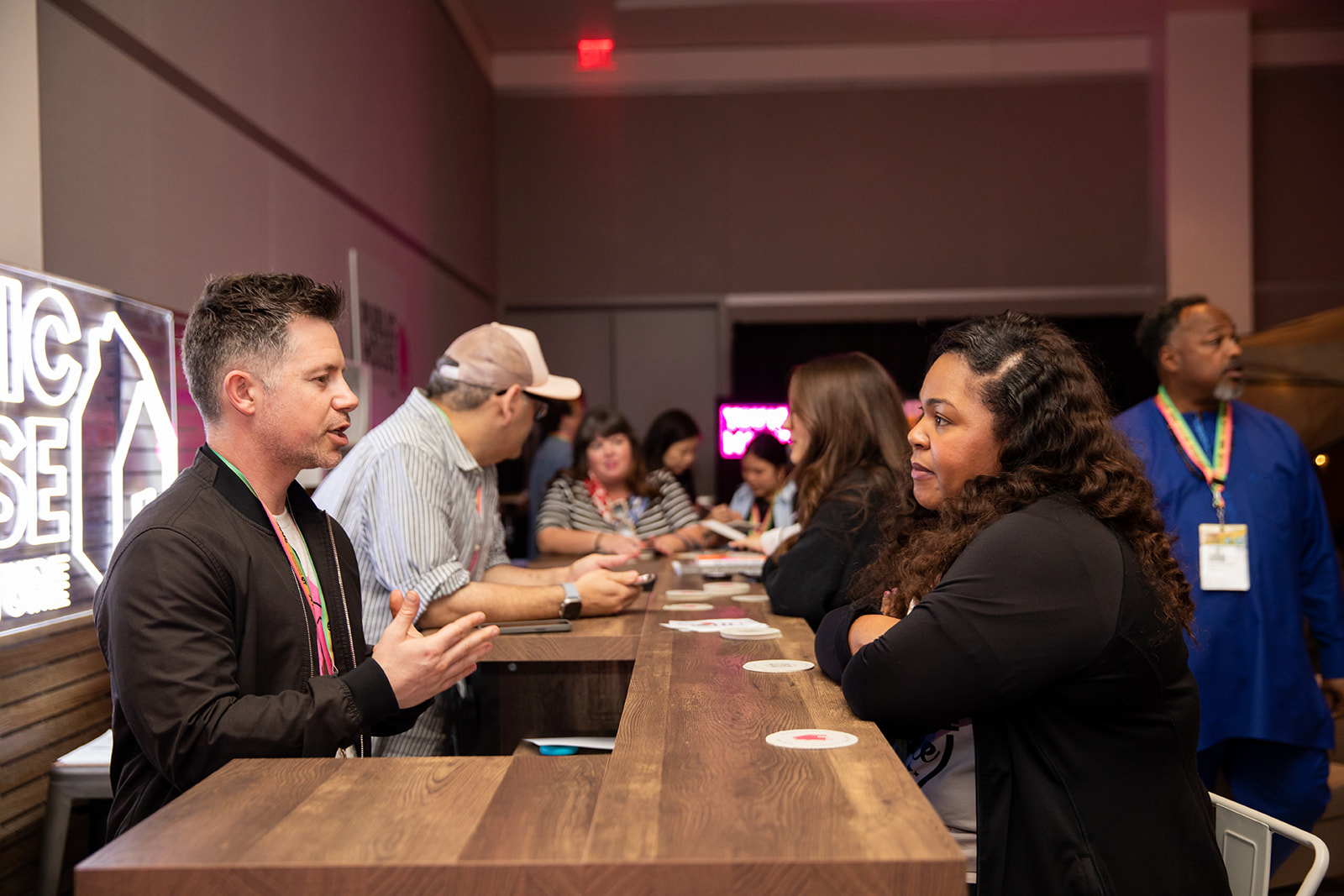
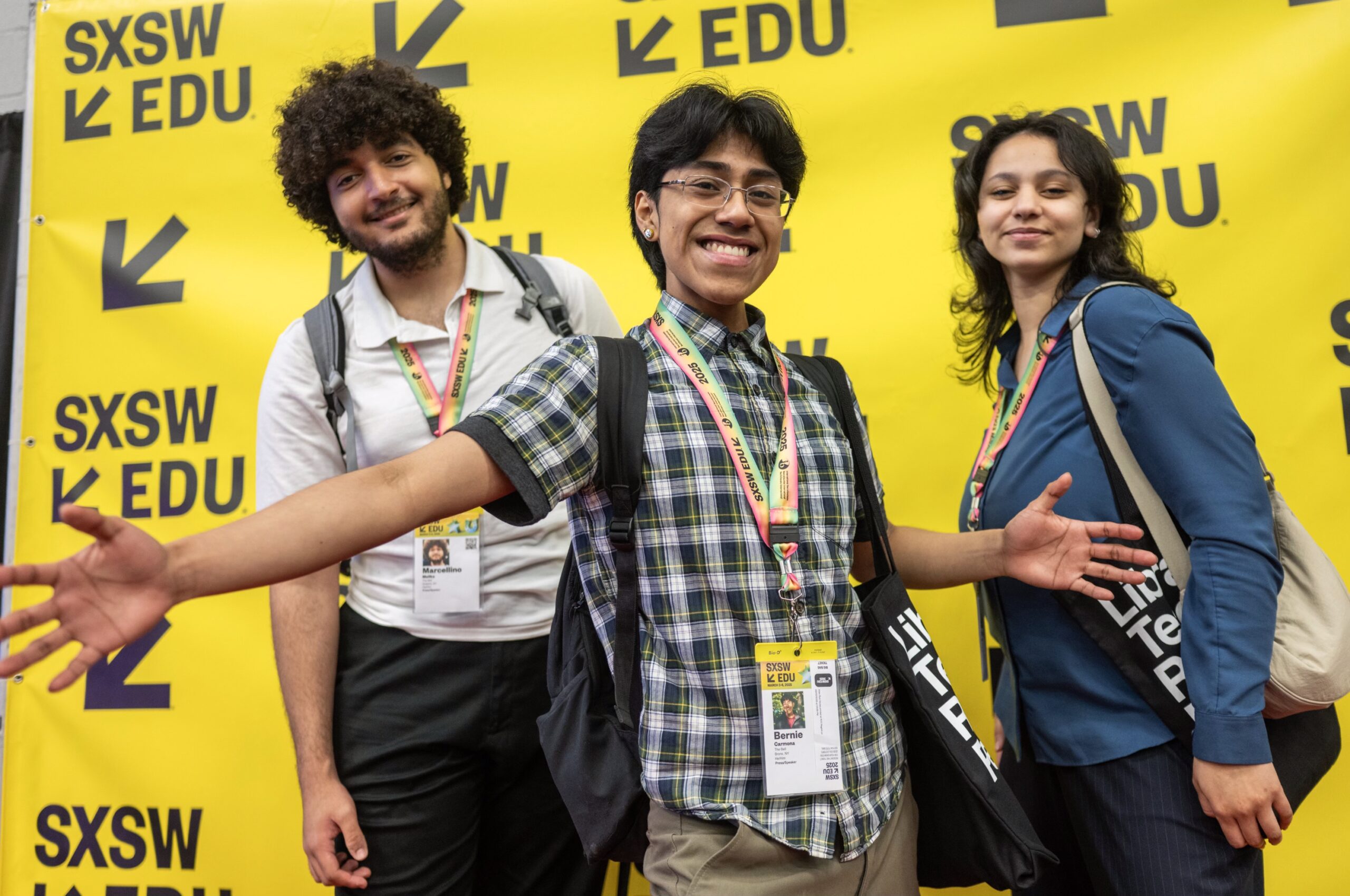
What happens when students are more than subjects of the conversation? This year, Siegel supported the journey of three students from The Bell to SXSW EDU to help elevate student voice and representation at a conference focused on the future of education.
We sat down with Kareem Farah from Modern Classrooms to learn more about the their instructional model; how and why the organization works with individual teachers; how the initiative plans to scale its approach through district partnerships; and the impact of changing instructional practice for teachers, students, and communities.
We sat down with Brent Maddin of the Next Education Workforce Initiative at ASU, and George Vinton and Kelly Anguiano of Common Group to learn more about the role that administrative systems play in whether, when, and how schools choose to adopt innovative models; the ways in which these technological systems could be redesigned to help facilitate innovation; and the opportunities for both the supply side and the demand side of the market to develop solutions for making administrative systems in K-12 education more flexible.
We may be a small team, but our reach is mighty. Over the past quarter, we’ve traveled across the country and around the globe to seek out new perspectives, fresh solutions, and burgeoning insights that will shape our work in 2025.
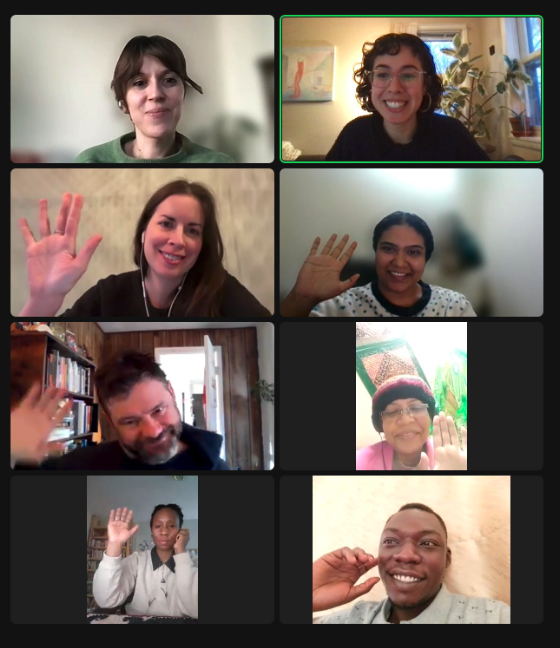
Siegel’s annual Ask Me Anything webinar is an opportunity for our friends and partners to learn about our plans for the year ahead and ask questions about our work and approach. This year’s event, held virtually on Thursday, January 30, brought together over 200 attendees.
As part of our effective grantmaking strategy and knowledge and impact work, Siegel collects and engages with feedback from its grantees and partners. During 2024, we commissioned an independent author to conduct confidential interviews with seven grantee and partner organizations, representing a range of organizational sizes, focuses, and ages, complemented by a non-anonymous end-of-year survey conducted by our in-house Knowledge and Impact team.
Caroline Sinders is a machine-learning-design researcher and artist, exploring the intersections of technology, society, and public good. They recently sat down with Siegel Research Manager Madison Snider to discuss the interests that lead them to their interdisciplinary work and why collaboration is so important to it.
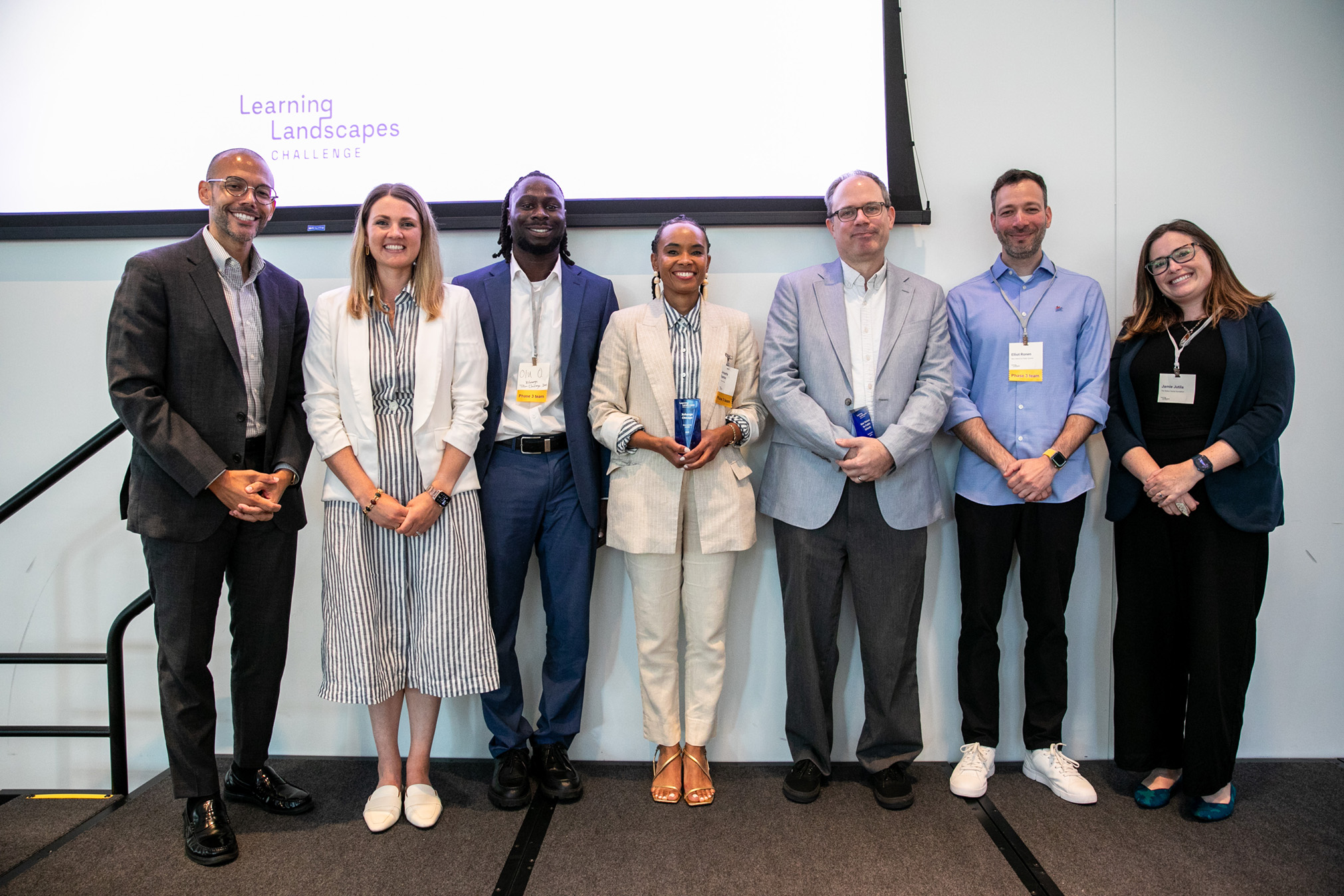
Siegel Family Endowment is proud to announce the 2024-2025 cohort of Siegel Research Fellows. This extraordinary group includes researchers, academics, and policy experts whose work spans diverse fields such as technology ethics, economic democracy, social media dynamics, and AI governance.
As we reflect on the past year, it’s clear that artificial intelligence has dominated discussions across various domains. What surprises us, however, is not the volume of conversation but rather its lack of nuance. Having navigated many cycles of technological development, we recognize the urgent need to move beyond the simplistic “gloom vs. doom” narrative. Instead, we must critically examine what these technologies can do, what they cannot, and—most importantly—what we truly need from them.
Our latest grants reaffirm our commitment to building a more inclusive technological future by supporting comprehensive research, shaping human-centered policies, and fostering community-driven innovation to ensure these advancements benefit everyone.