
Who Controls AI? Humanity AI Grants Aim to Shift Power Toward the Public
For too long, the story of artificial intelligence has been told by those building and profiting from it. The narrative goes something like this: AI […]
This whitepaper is a codification of a decade of learning. Not as a definitive model, but as one approach that has been useful for us in practice. It includes what we’ve found to work well, where we’ve struggled, and the kinds of tools and structures we’ve used to support an inquiry-driven orientation in grantmaking.
Today we’re announcing a partnership with ImpactAlpha to support their Shape the Algorithm beat. The conversation around AI is moving fast. Every day, headlines remind us that the choices we make in technology—what gets built, how it’s governed, who benefits—matter. We’ve long believed that supporting public interest technology and engaging in the future of philanthropy isn’t just about grants. It’s about building the ecosystem that lets good ideas take root, scale, and adapt: capital, governance, knowledge, and strategy.
Siegel’s annual Ask Me Anything webinar is an opportunity for our friends and partners to learn about our plans for the year ahead and ask questions about our work and approach. This year’s event, held virtually on Thursday, February 5th, brought together over 315 attendees.
With support from the Siegel Family Endowment, the newly renamed MIT Siegel Family Quest for Intelligence investigates how brains produce intelligence and how it can be replicated to solve problems.
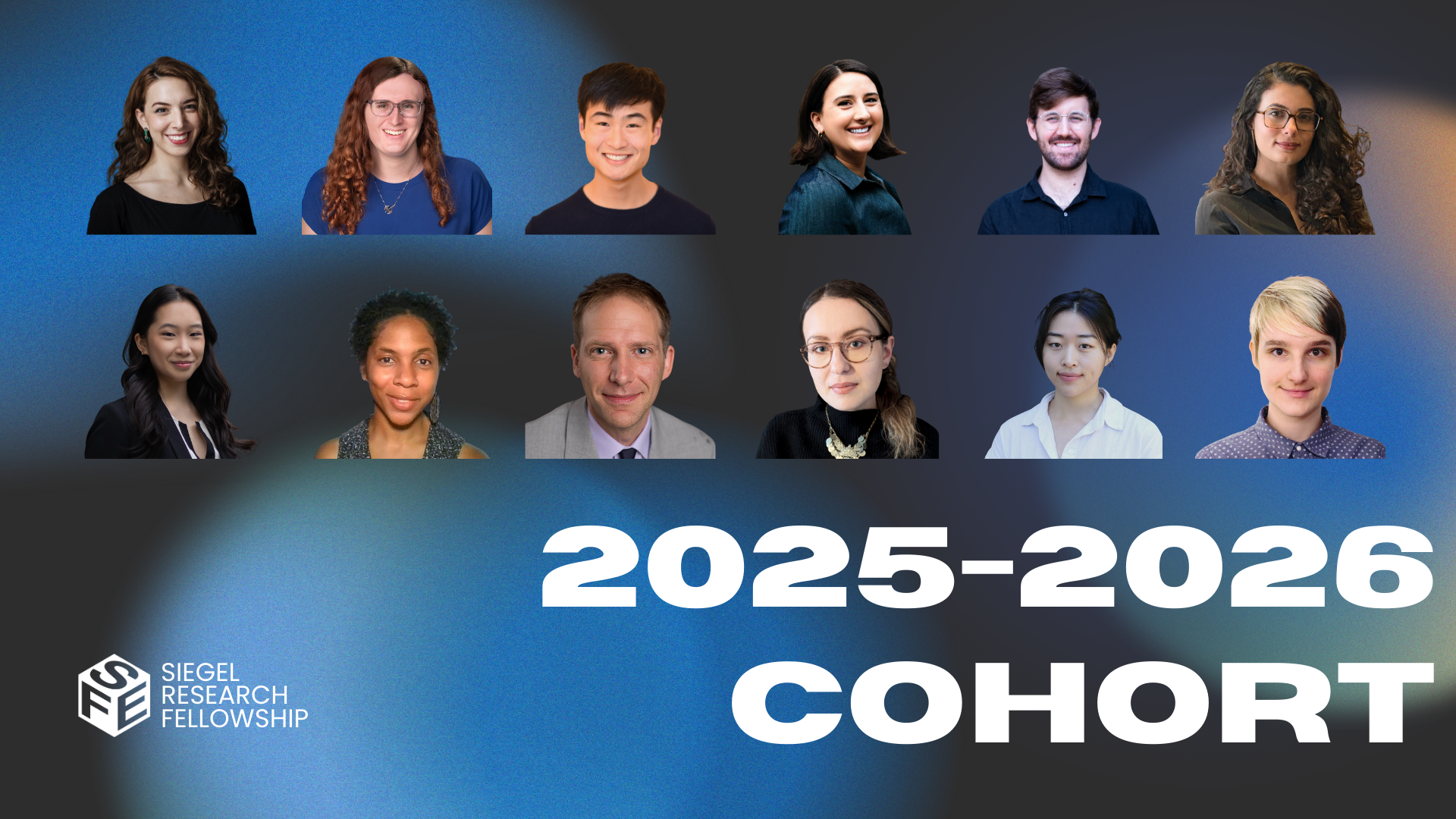
Siegel Family Endowment is proud to announce the 2025–2026 cohort of Siegel Research Fellows. This cohort brings together a group of scholars and practitioners working at the intersections of technology, labor, and governance. Spanning economics, computer science, law, ethnography, public policy, and public interest technology, the fellows are united by a shared focus on power, participation, and accountability in technological systems.
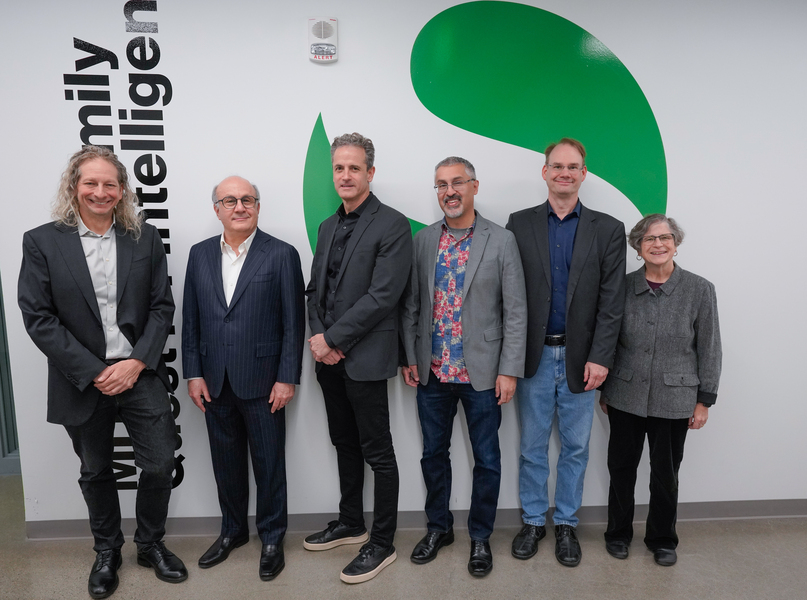
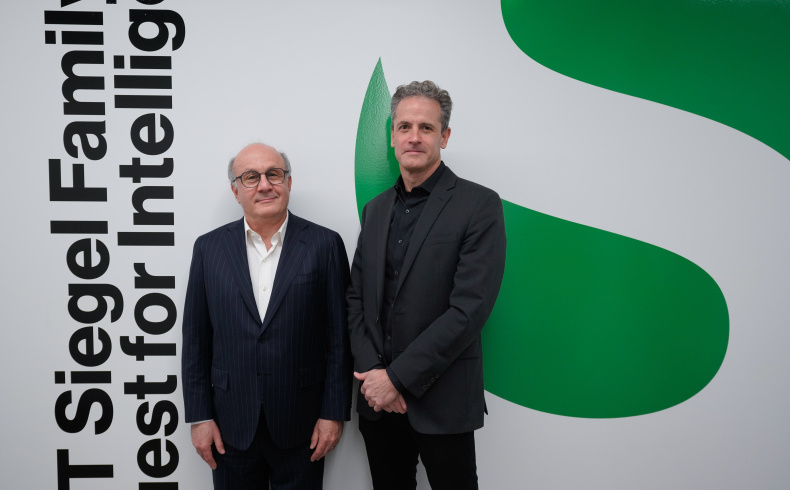
The MIT Quest for Intelligence has been renamed the MIT Siegel Family Quest for Intelligence in recognition of support from David Siegel. SQI’s goal is to understand intelligence — how brains produce it and how it can be replicated in artificial systems to address real-world problems that exceed the capabilities of current AI technologies.
From The Siegel Times, a special edition of our Year in Review, President and Executive Director Katy Knight examines the blueprints, partnerships, and strategies behind 2025’s most under-covered success stories.
Introducing The Siegel Times: our 2025 Year in Review, inspired by the look and feel of a classic news magazine and grounded in the work we’ve built together this year. More than a retrospective, this special report brings together feature stories from grantees, letters from leadership, and a clear record of what we’ve accomplished collectively—alongside playful, interactive moments designed to put the buzzwords of 2025 to rest and refocus on what actually matters. It’s a snapshot of a year defined not by hype, but by shared effort, learning, and progress.
At Siegel Family Endowment, we’ve spent the first half of 2025 contending with profound uncertainty—not as a problem to solve, but as a condition to navigate with intention, curiosity, and collective wisdom. A bit past the midway point in the year, Siegel President and Executive Director Katy Knight would like to share three questions that have shaped our thinking in the hope that they might resonate with your own.
As we reflect on the past year, it’s clear that artificial intelligence has dominated discussions across various domains. What surprises us, however, is not the volume of conversation but rather its lack of nuance. Having navigated many cycles of technological development, we recognize the urgent need to move beyond the simplistic “gloom vs. doom” narrative. Instead, we must critically examine what these technologies can do, what they cannot, and—most importantly—what we truly need from them.